Agriculture and the food system, joined up
Farms don't sit on their own. Understanding the food system means following what happens on either side of the farm gate.
NZ Current··5 min read
Farms don't sit on their own. Understanding the food system means following what happens on either side of the farm gate.

Rolling green pasture with grazing sheep
It is easy to picture agriculture as the work that happens between sunrise and milking. In practice, a farm is one link in a long chain that runs from seed and stock through processing, transport, retail and finally the kitchen table.
Decisions made off-farm — at a co-operative board, in a supermarket buying office, in a freight schedule — shape what is viable on-farm. That is why our agricultural coverage spends time with the people who handle product after it leaves the gate as well as the people who raised it.
We also pay attention to land use changes, water rules, animal welfare standards and the slow shift toward different crops and stock classes. These move on the scale of seasons and decades, not news cycles, but they are some of the most consequential stories in the country.
Good food reporting starts in the paddock and the orchard, and follows the product the whole way.
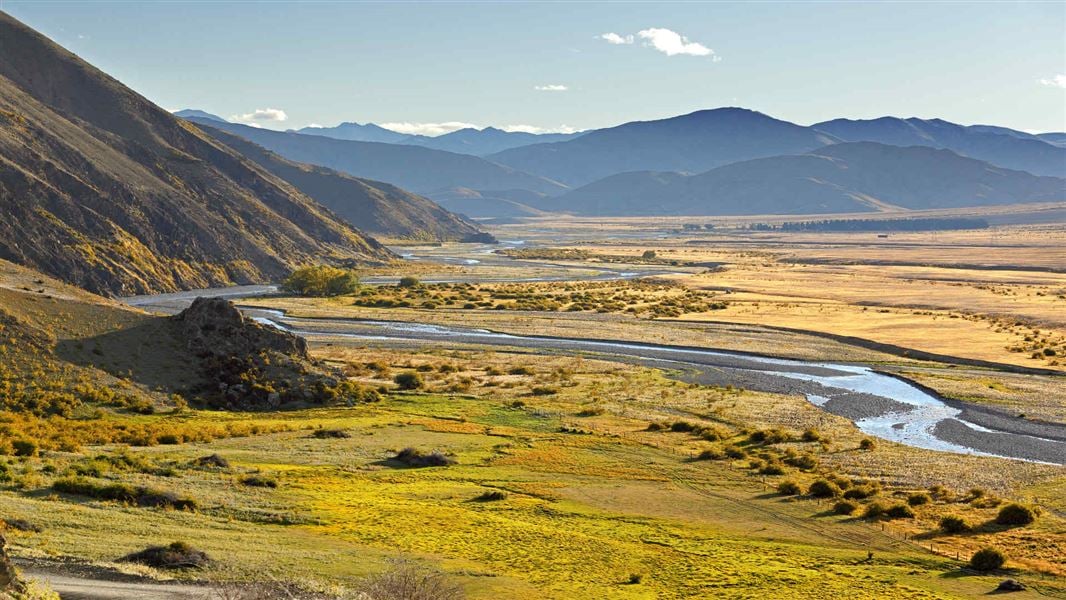
Ngai Tahu Farming has been chosen as the preferred farming operator for Molesworth Station, moving the future of New Zealand's largest farm from a competitive selection process into lease negotiations with the Department of Conservation.

Associate Agriculture Minister Mark Patterson is visiting India to promote New Zealand wool, creating a sharp political contrast because his NZ First party is publicly attacking the wider trade agreement.
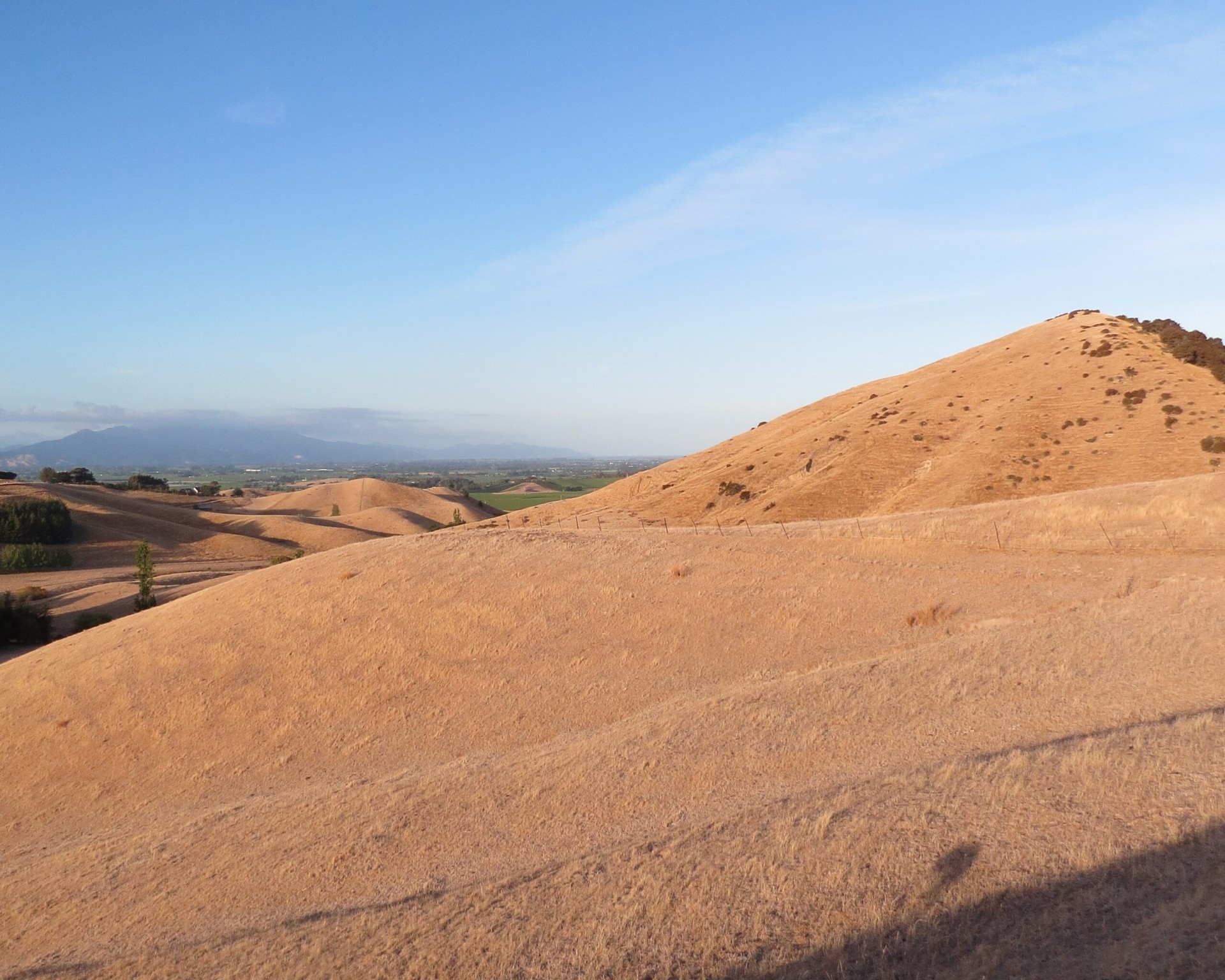
MPI agriculture national response manager Andrew Curtis is urging farmers and growers to prepare early for a potentially strong El Nino, with a windy, dry spring expected in northern and eastern areas and above-normal rainfall possible in the west.