Life
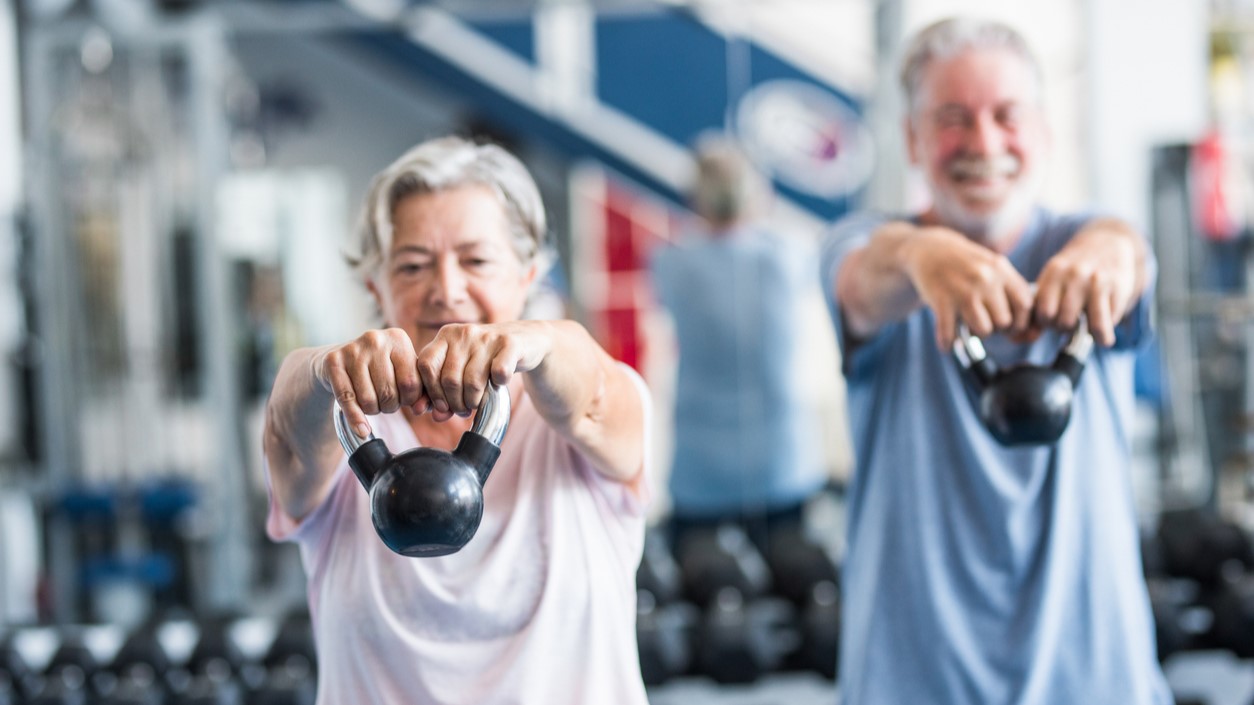
People who lift weights live longer – here's why
Research linking resistance training to lower mortality has strengthened, and the reasons go beyond muscle size.
NZ Current · Sunday, 28 June 2026 · 3 min read
Health, wellbeing and everyday living.
Research linking resistance training to lower mortality has strengthened, and the reasons go beyond muscle size.

Practical strategies for making discretionary purchases work inside a tight household budget, without relying on credit.
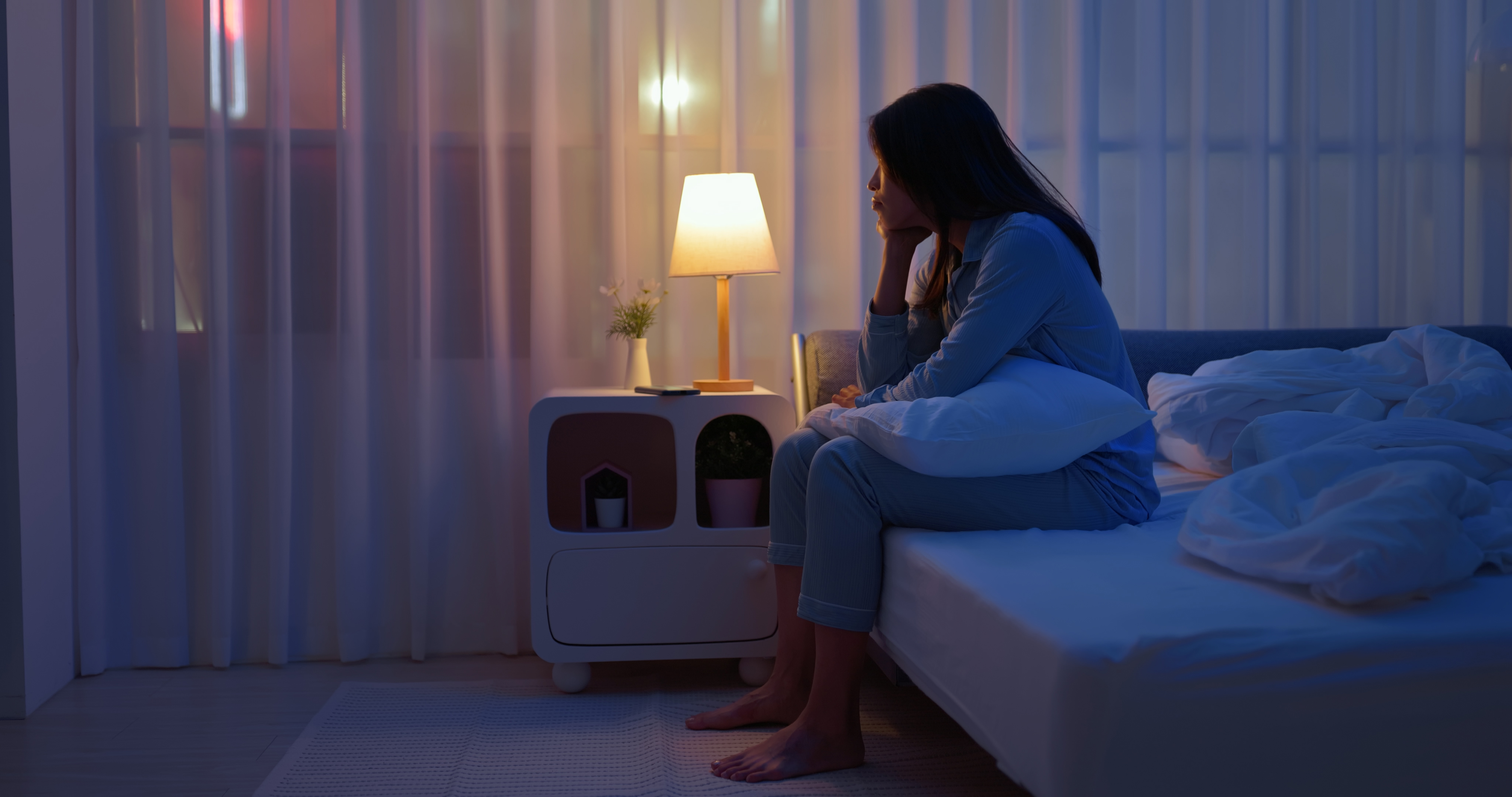
New research suggests sleep and diet may do more for chronic stress than exercise, challenging the standard advice to simply move more.

Kylie Minogue has hit back at the brutal media treatment she received as a teenager, asking critics how they would have felt if it were their own daughter.

Workers around the world are reporting rising feelings of isolation and irrelevance on the job, and New Zealand is not immune to the trend.
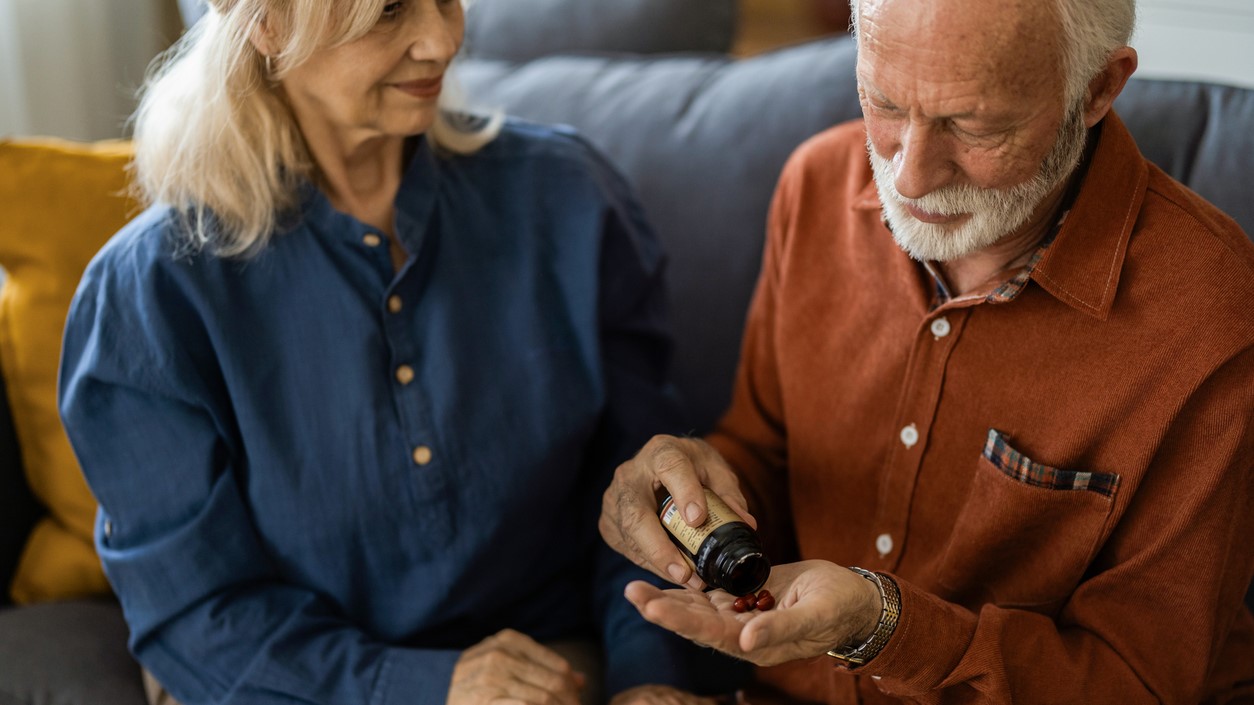
Supplements are marketed as a shortcut to healthy ageing, but the evidence for most of them is thin.

Max is almost 89, works in a supermarket and pays rent, a combination he describes with a shrug: life's a gamble.

A retired widow caring for a high-needs dog opens her supermarket receipt in a series looking at how New Zealanders actually spend on food.

Roughly a third of marriages end in divorce, yet the language around separation still frames it as a failure.
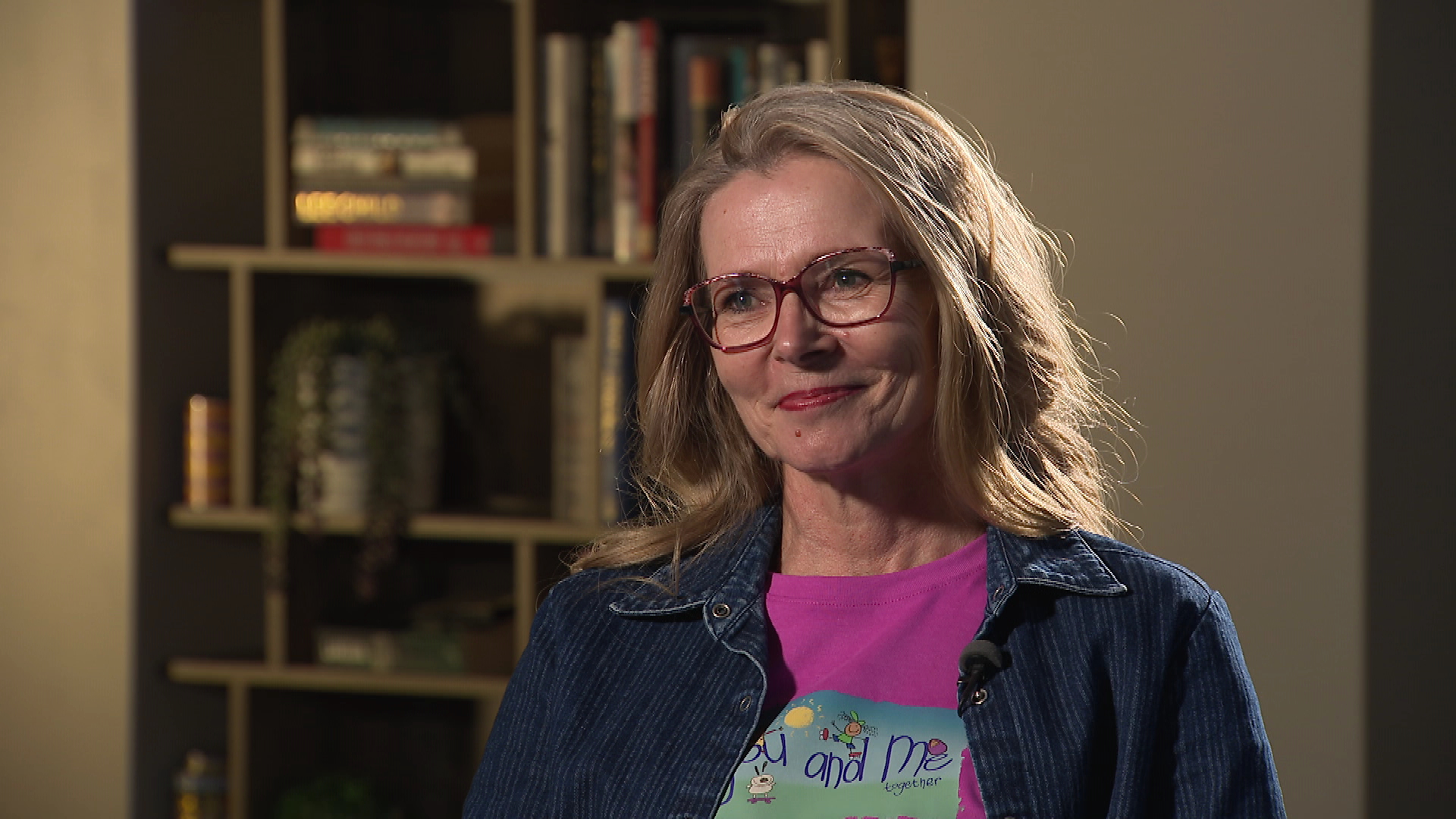
Suzy Cato says she has never had cosmetic work done, and argues there is real value in seeing older faces on screen.

Research suggests couples living together share around 30% of their gut bacteria, a figure that rises the longer they live under the same roof.
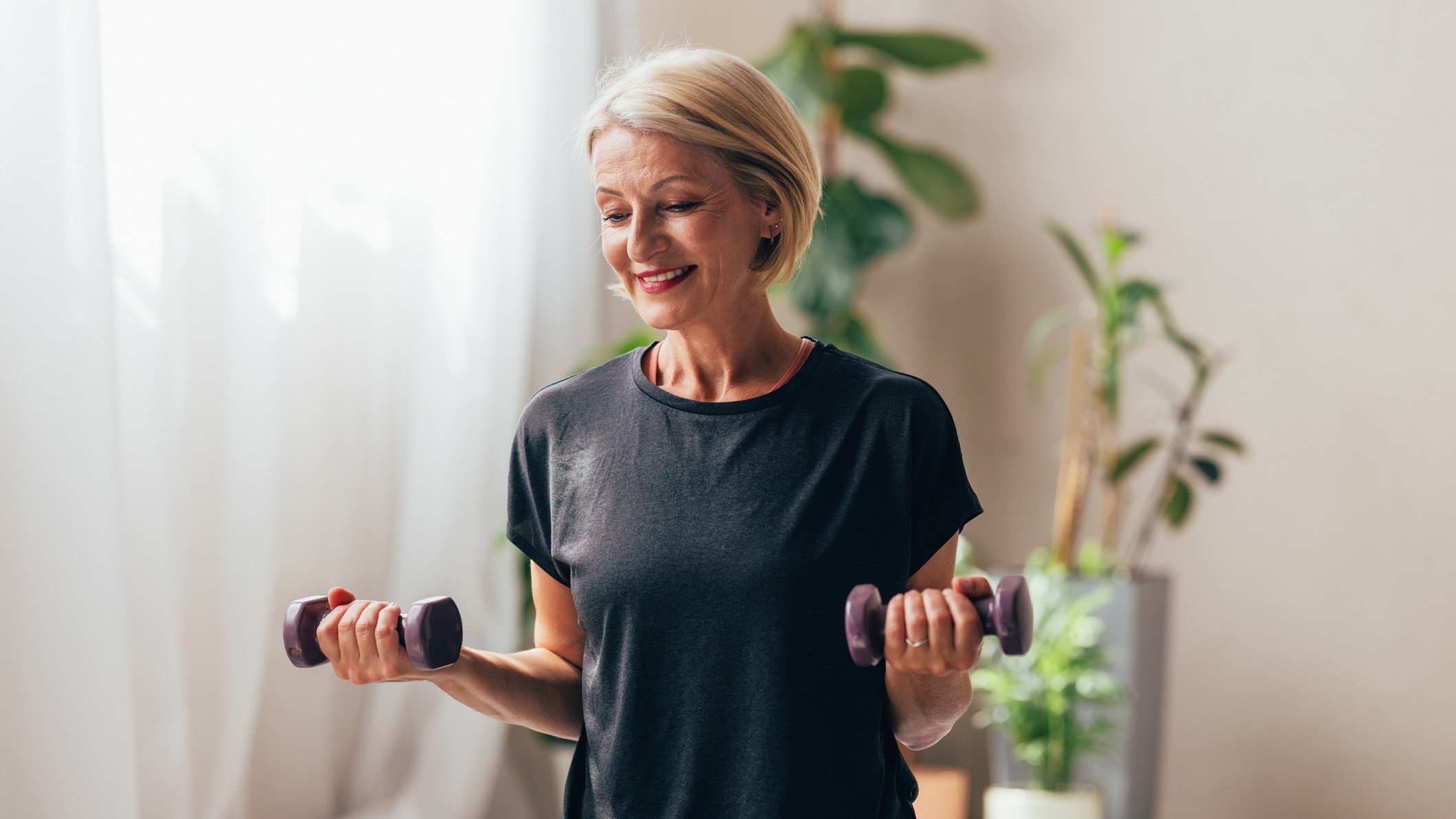
Short, intense bursts of movement spread through the day can deliver meaningful fitness benefits, exercise researchers say.

Claims linking paracetamol use in pregnancy to autism have been amplified politically, prompting health authorities to restate the evidence.
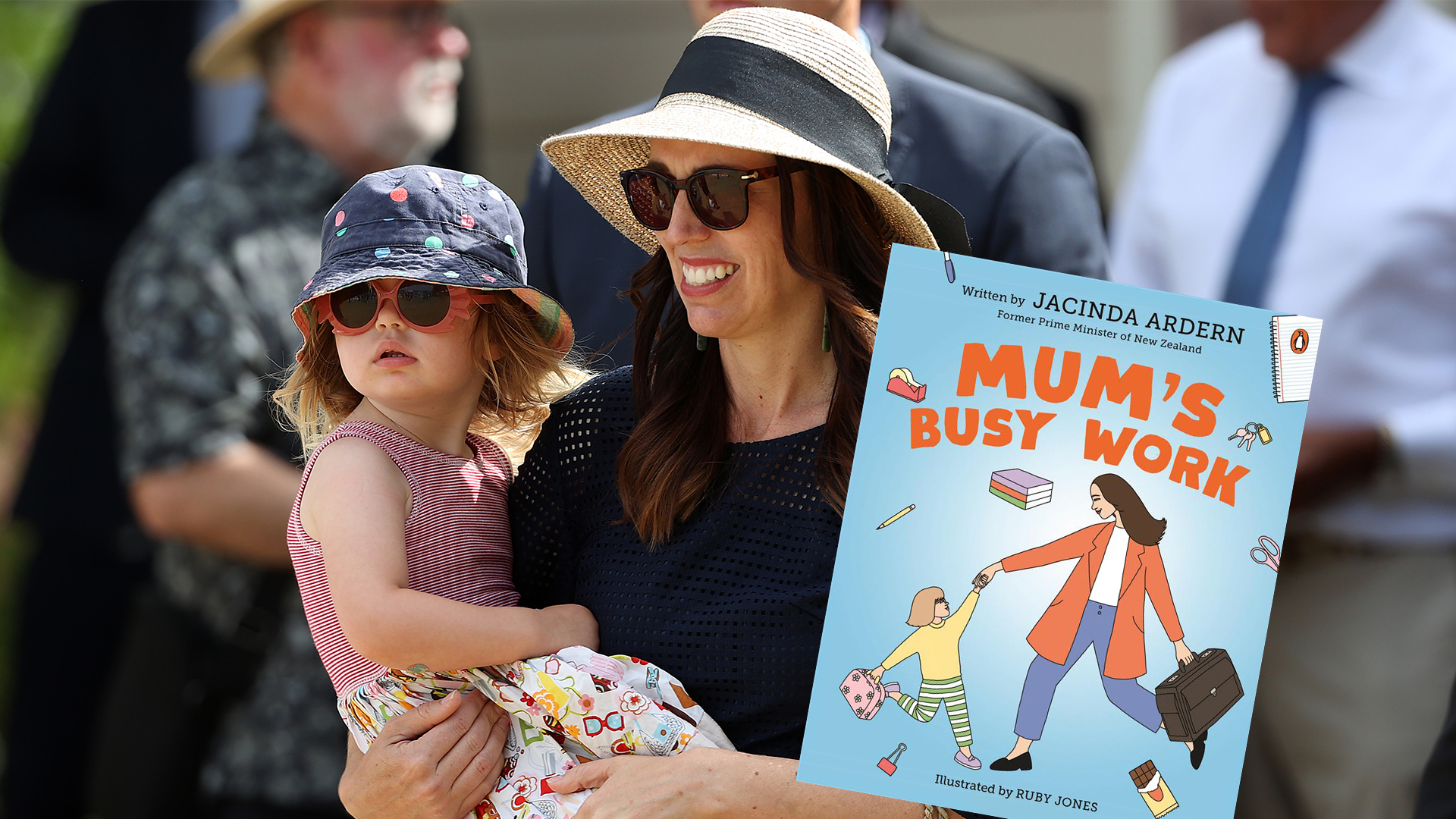
Jacinda Ardern's new children's book draws on the tension between work and parenting that she has spoken about since leaving office.

Protein has become the nutrient of the moment for adults, but nutrition researchers say the same push does not automatically apply to children.
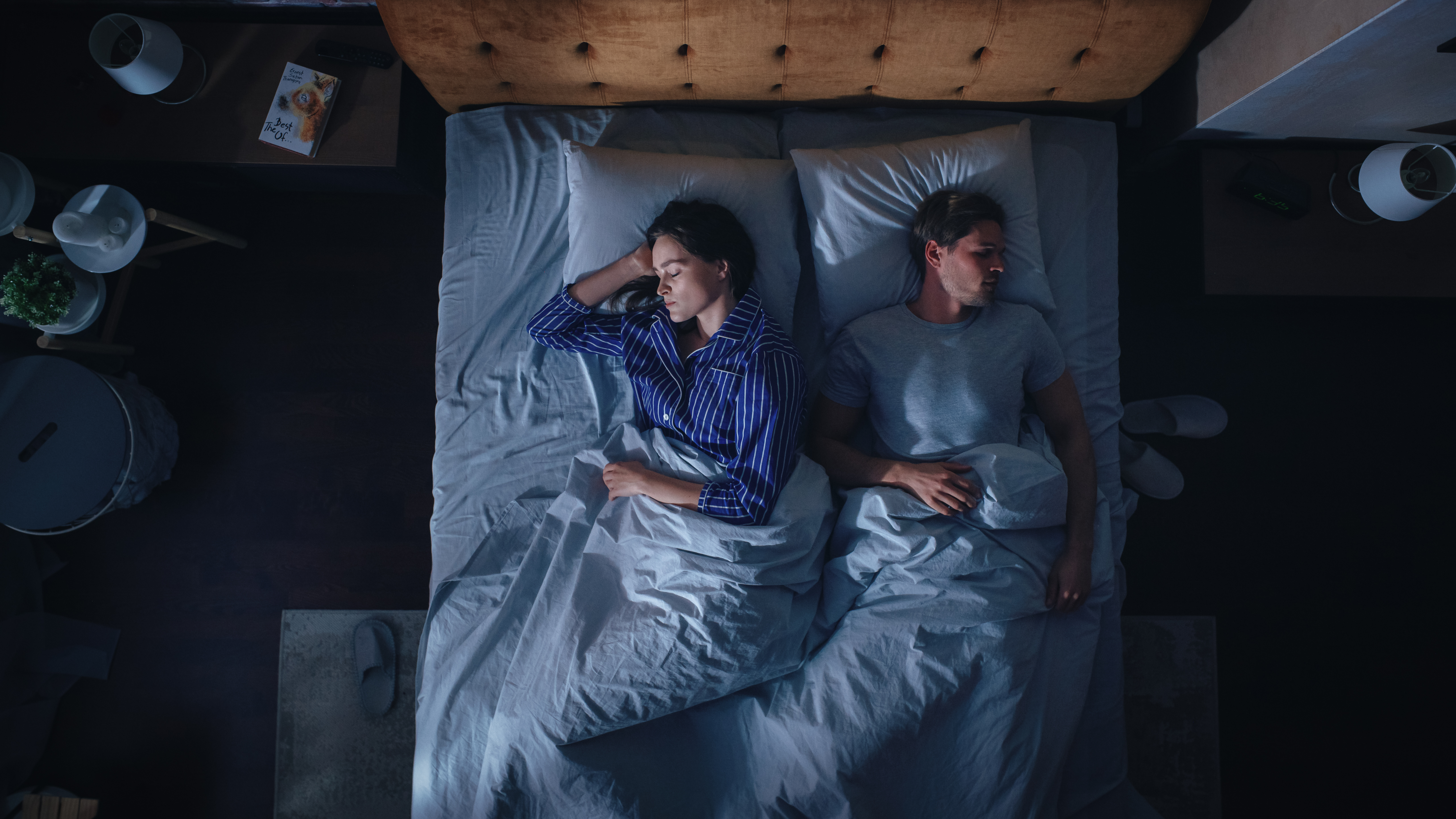
Most people have experienced it: the sudden jolt as you drift off to sleep, sometimes with the sensation of falling.

Researchers have long tried to answer a deceptively simple question: how much money do you actually need to be happy?
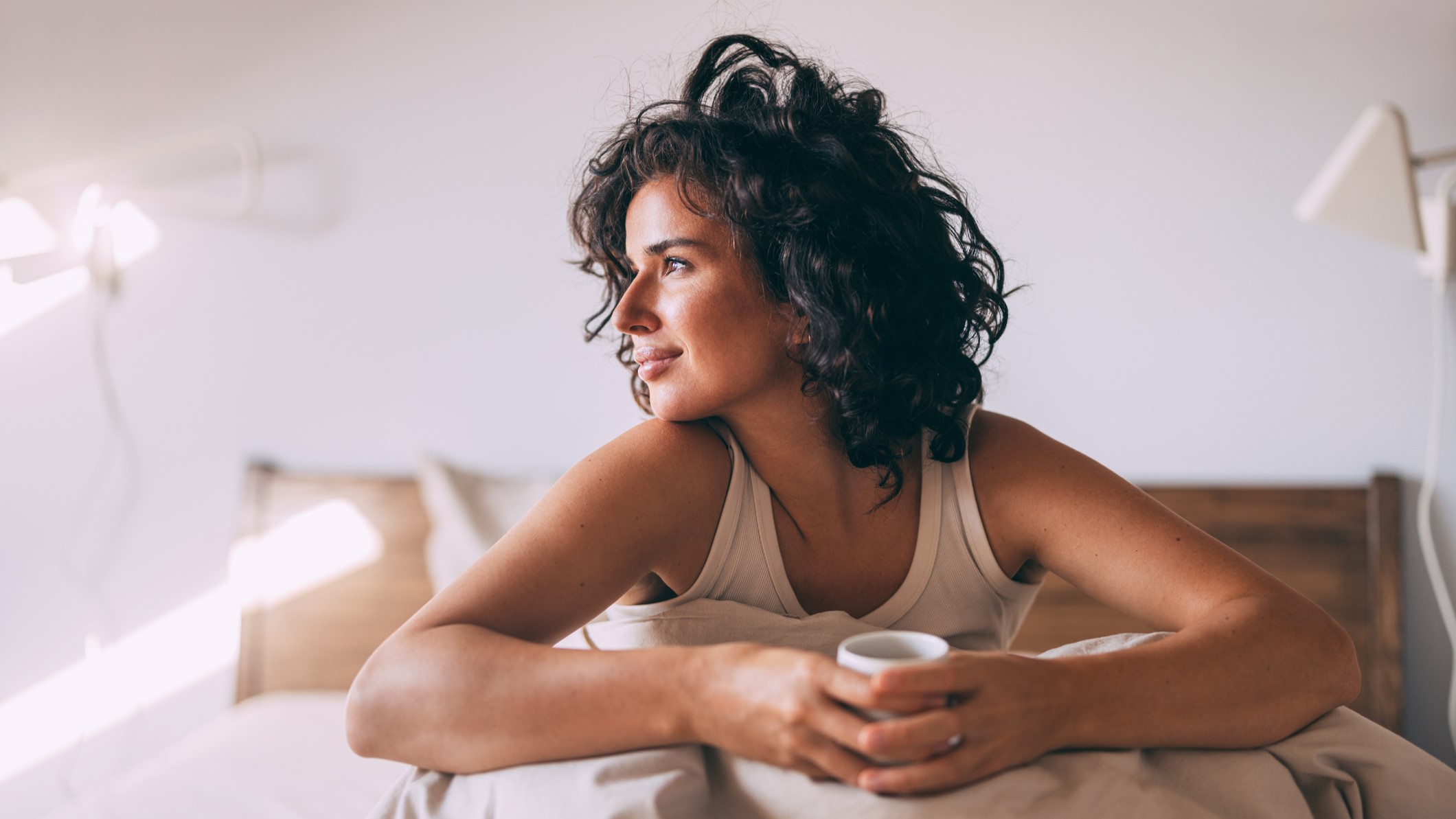
New research suggests the way we sleep affects not only how we feel but how we look, and how attractive others judge us to be.

Sitting on the toilet with a phone is close to universal behaviour, and doctors would like people to stop.

Tom Phillips' four years in the bush with his children were extraordinary. The conflict underneath them was not.

A household of one couple and two sets of siblings sharing a home offers an unusually clear view of what feeding a group actually costs in 2025.
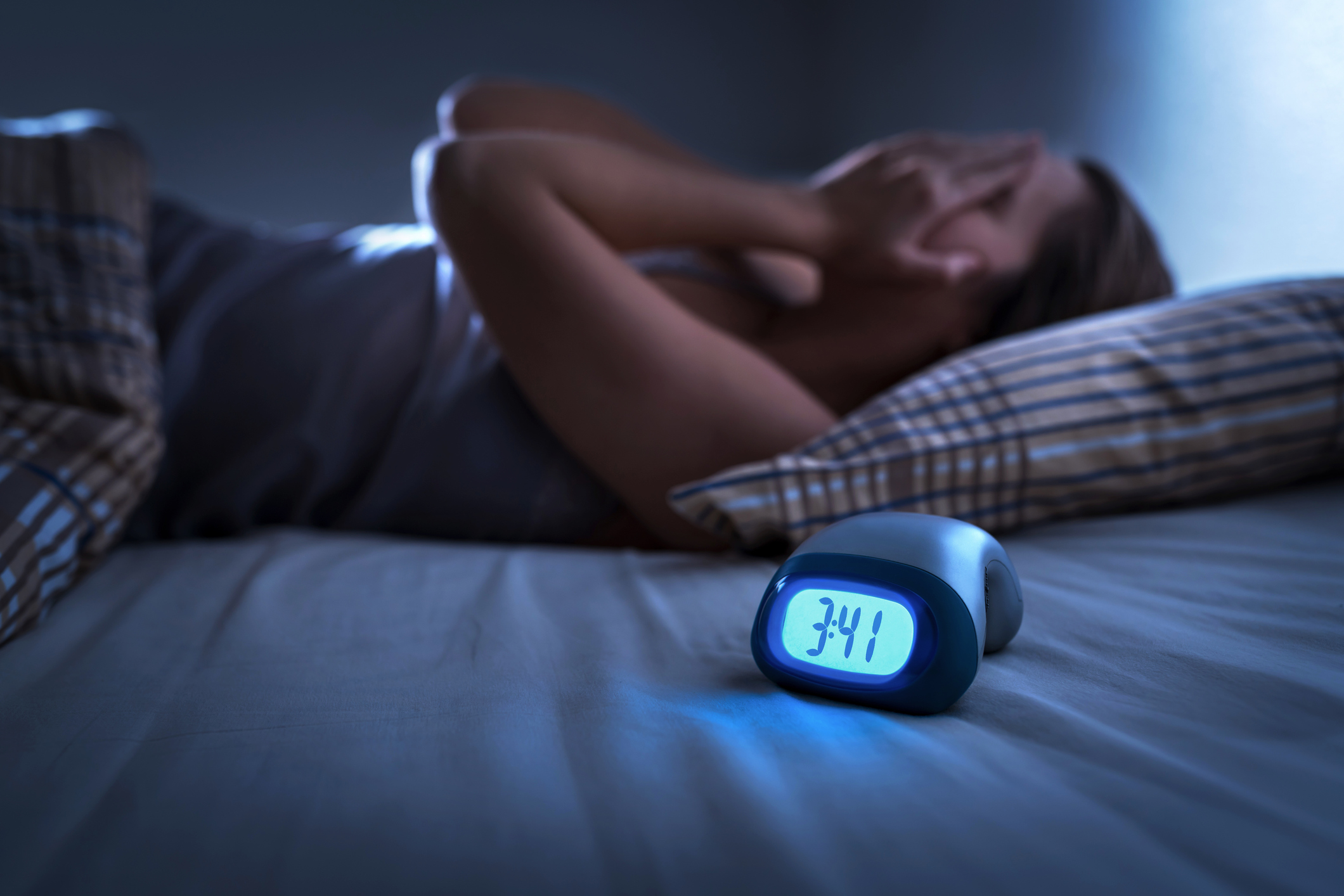
Plenty of people describe themselves as insomniacs after a stretch of bad nights, but sleep specialists say most do not meet the clinical definition.
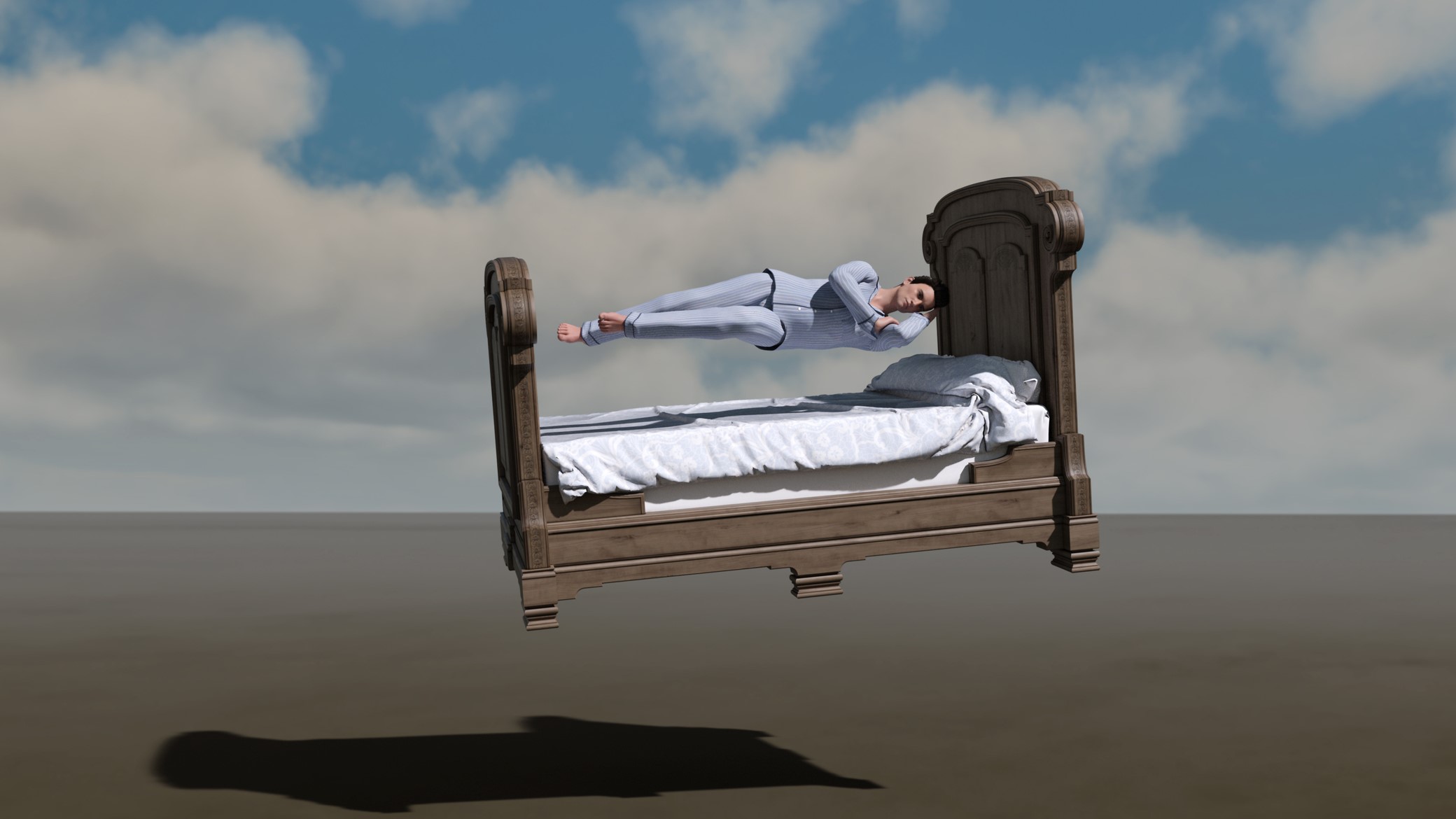
Cutting back on caffeine can produce a curious side effect: unusually vivid, sometimes unsettling dreams.
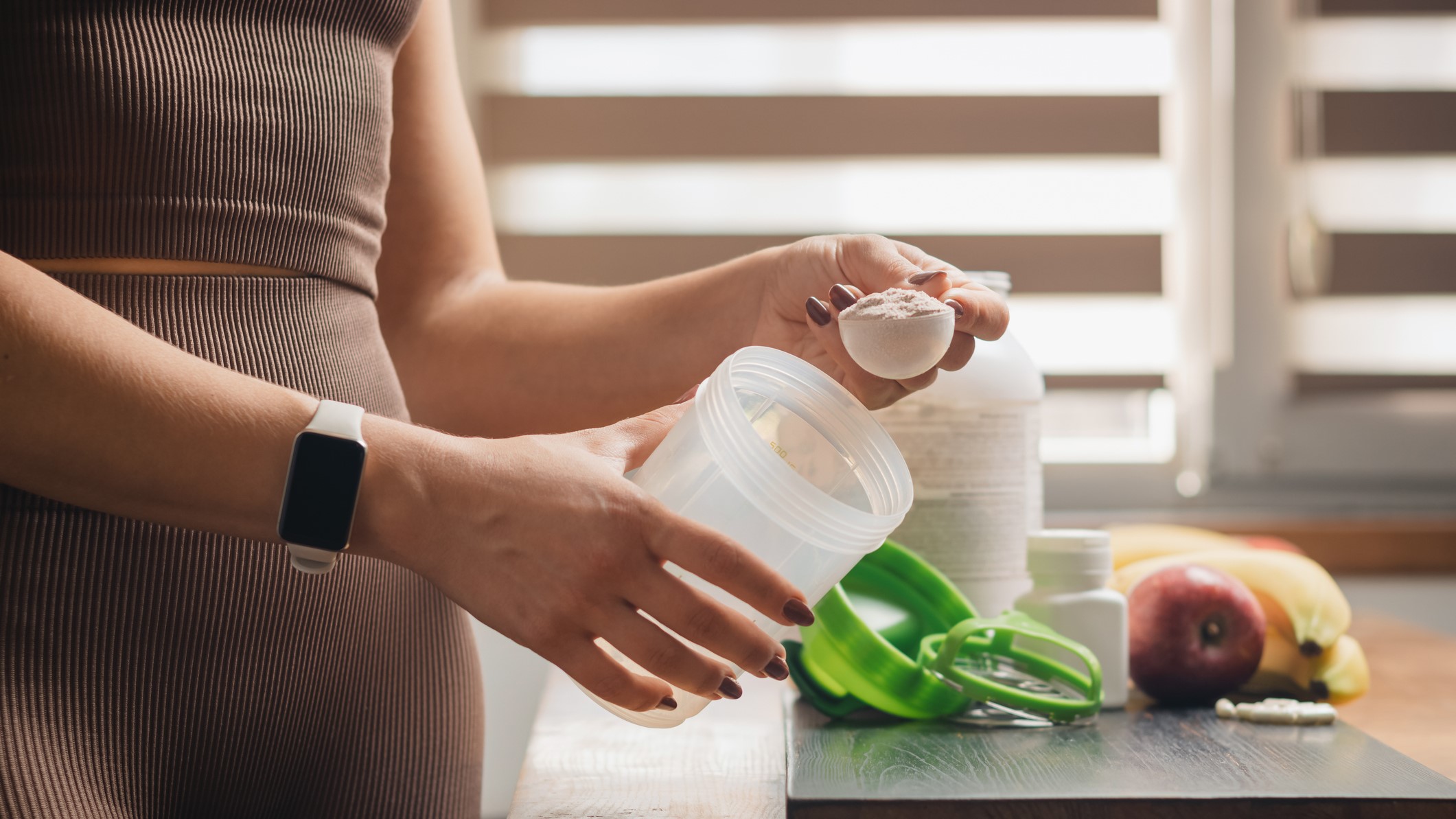
Protein has become the nutrient of the moment, promoted relentlessly on social media and increasingly stamped on supermarket packaging. The question researchers keep being asked is whether more is actually better.
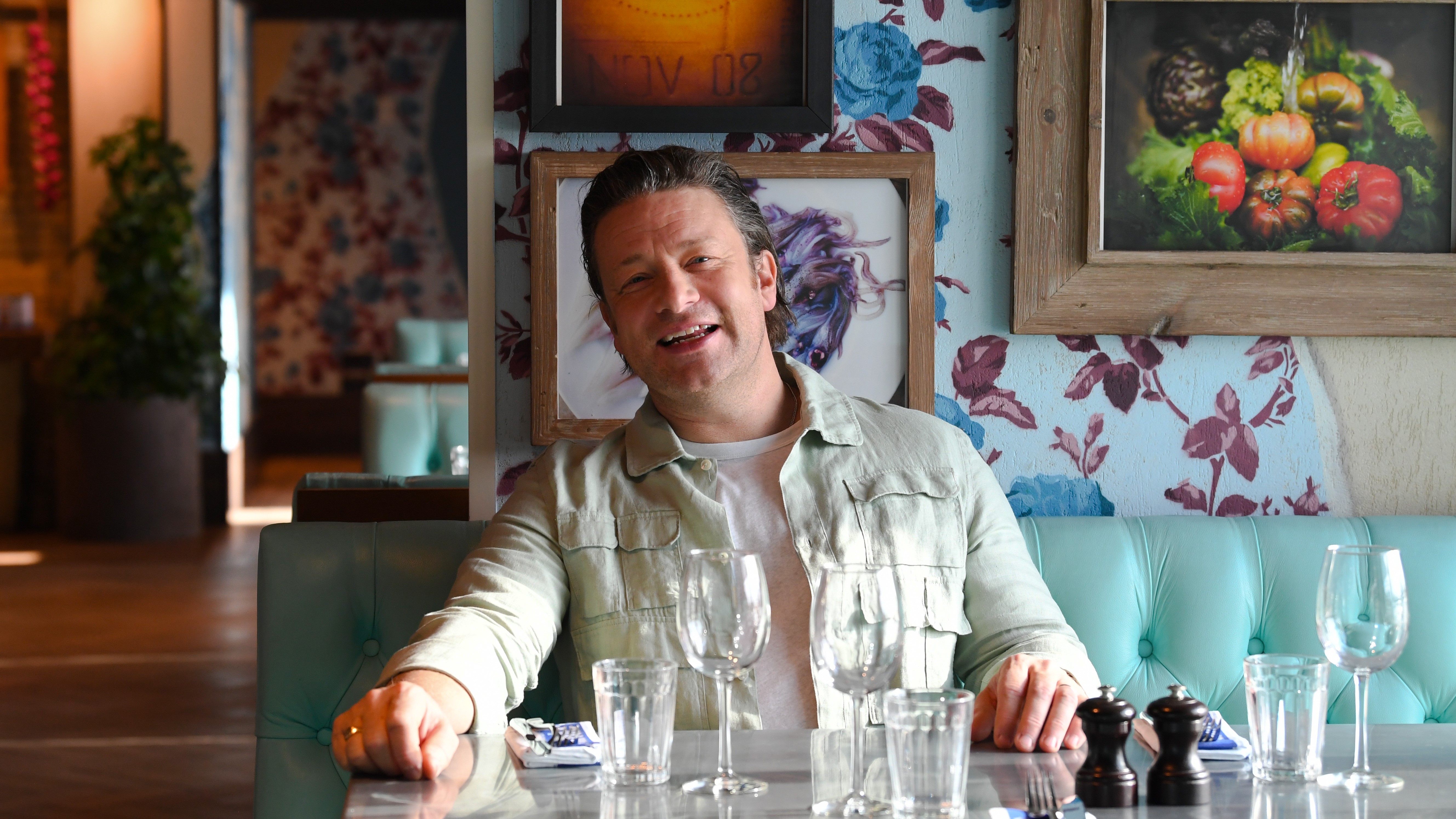
Jamie Oliver has described the five-a-day message as a lie, arguing that the real health benefits of fruit and vegetables begin at seven, eight or even eleven portions a day.

Crying at work is far more common than workplace convention suggests, with one recent survey finding close to half of in-person workers had done it.