Biosecurity Minister Andrew Hoggard has warned that bird flu reaching New Zealand is now a when scenario, not a remote possibility, after cases were reported in Australia. Hoggard is set to meet Australia's Assistant Minister of Agriculture, Anthony Chisholm, to discuss the outbreak and lessons from Australia's response.
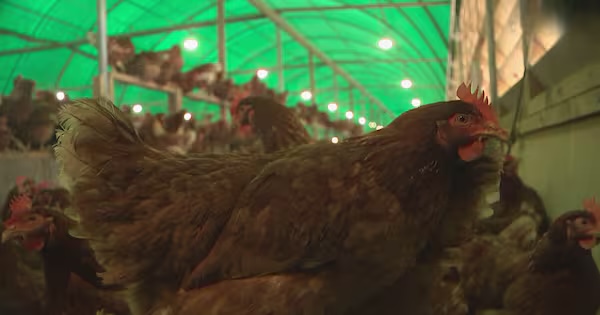
For poultry farmers, the warning is serious because highly pathogenic avian influenza can move quickly once it enters commercial flocks. Hoggard said that if the virus entered a large producer, barn or free-range flock, the death rate could be between 75 percent and 100 percent. That is a production risk, an animal welfare risk, a food-supply risk and a price risk all at once.
New Zealand has had the advantage of time. Poultry Industry Association of New Zealand executive director Fiona MacMillan said New Zealand is one of the last places on Earth to get the disease, which means it can learn from international partners. That advantage should not be wasted. Biosecurity works best before the virus is detected, when the job is still prevention, surveillance and preparation rather than emergency response. The disease is likely to arrive through wild birds, but could potentially come from mammals too. Australia reported its first case on 20 June in a brown skua found on a Western Australian beach, with a second case confirmed two days later.
On farm, preparation is already visible. A free-range chicken farmer in Carterton has introduced a QR code system for visitors entering his farm, rebuilt a chicken shed to reduce wild-bird entry and developed alert levels for his operation. His farm's scale, with about 18,000 eggs laid per day, shows why the issue reaches consumers. A serious outbreak would not stay inside farm boundaries; it would quickly affect eggs, chicken meat, transport, staff, animal disposal and public communication.
The official advice is that anyone observing a group of three or more dead birds should report it to the Ministry for Primary Industries. Early detection depends on ordinary people recognising that dead wild birds can be a biosecurity signal. The communication challenge is to be clear without being alarmist. The disease is not here yet, and that distinction matters. But telling farmers and the public that New Zealand is preparing for an eventual arrival is more honest than pretending distance alone will protect the country.