Don Neale says Hokitika driftwood sign was destroyed in suspected vandalism
Hokitika's famous driftwood sign has been destroyed in a suspected act of vandalism, turning a small West Coast landmark into a larger story about community ownership, tourism identity and what happens when public places rely on informal care.
NZ Current··6 min read
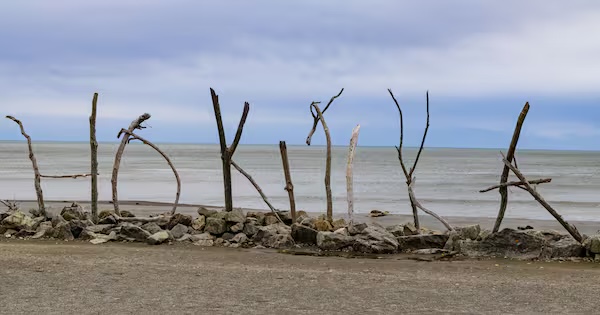
Damage to the Hokitika driftwood sign, one of the West Coast town's most photographed landmarks.
Hokitika's famous driftwood sign has been destroyed in a suspected act of vandalism, turning a small West Coast landmark into a larger story about community ownership, tourism identity and what happens when public places rely on informal care. The sign's creator, Don Neale, said he saw a person dismantling it and was warned it would be knocked down again if he rebuilt it.
The sign is not a major piece of engineered infrastructure. That is partly why it matters. Many towns are recognised through modest, handmade or community-maintained landmarks that do not appear on national asset registers but still carry local meaning. Visitors photograph them, residents use them as shorthand for home, and small businesses benefit from the visual identity they create. The loss of such a place can feel out of proportion to its material value because its real value is social.
The driftwood sign is one of the West Coast's most photographed landmarks and police are investigating. Neale first built the beachfront landmark in 2001. That long history is important. A temporary beach artwork can become part of a town's public memory if it survives long enough and if enough people attach meaning to it. Regional tourism often depends on these recognisable points. Hokitika has long used its beach, wild coastline, arts culture and West Coast character as part of its draw, and the driftwood sign fitted that identity because it used local material and matched the rough, coastal setting.
The vandalism allegation raises a practical question for councils and communities: how do you protect something that was powerful partly because it was informal? Turning every local landmark into a fenced, monitored asset can strip away the openness that made it special. Doing nothing can leave community work exposed to repeated damage. The right response often sits somewhere in the middle, with police follow-up, community support and a realistic plan for whether rebuilding is worthwhile.
For Hokitika, the next decision is whether the sign returns and under what conditions. Rebuilding would send a message that one act of destruction does not get the final word. But rebuilding also asks volunteers or supporters to invest time and care while knowing the sign could be targeted again. The wider regional lesson is that place identity is fragile. It can be made from driftwood, paint, memories and repeated photographs — and Hokitika's sign was never just letters on a beach. It was a community-made welcome.
Education Minister Erica Stanford says a nationwide programme upgrading small and remote schools has completed its 800th school upgrade, putting school property back into the regional infrastructure conversation.
Associate Health Minister Matt Doocey says rural communities will benefit from three new investments aimed at training more frontline clinicians, improving urgent-care decisions and strengthening recruitment for rural health providers.
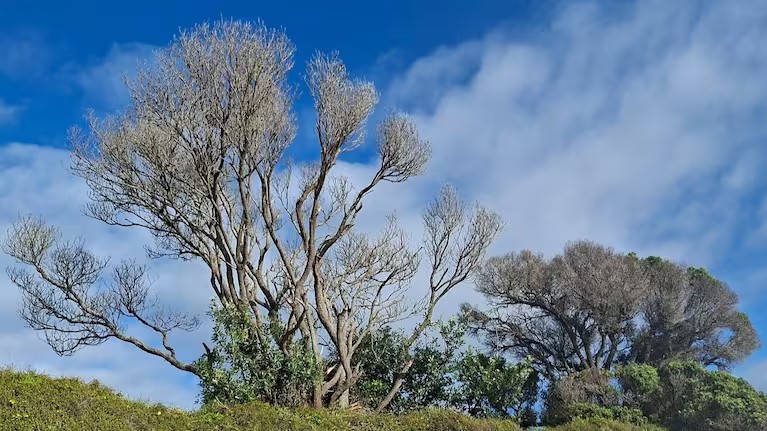
The Department of Conservation is investigating after two pohutukawa trees beside Hahei Beach on the Coromandel were found with signs of illegal poisoning, in a case that turns a local beach incident into a wider reminder about coastal protection.