Education pathways after school, in plain language
Trades, university, apprenticeships, polytechnics, work — the choices are wider than the conversation often suggests.
NZ Current··5 min read
Trades, university, apprenticeships, polytechnics, work — the choices are wider than the conversation often suggests.

Students walking across a university courtyard
The conversation about what to do after school often narrows quickly to university or not. The actual menu is wider: apprenticeships, polytechnic programmes, on-the-job training, cadetships, gap years that lead somewhere specific, and a growing number of hybrid options that mix study and paid work.
Each pathway has its own trade-offs around time, cost, location and the kinds of work it opens up. None is automatically better than another; the better question is which fits a particular student, family and place.
Coverage that respects this complexity tends to be more useful than coverage that ranks pathways against each other. It also tends to surface options that are quietly working well — local trade training, regional health programmes, iwi-led initiatives — that don't get the same attention as the headline institutions.
We want our education reporting to help readers see the full board, not just the brightest squares.

Disability Issues Minister Louise Upston has appointed Rahera Turner, Thora Huebner and Joanne Witko to the New Zealand Sign Language Board, adding new members as the board works through delivery of a 10-year NZSL strategy.
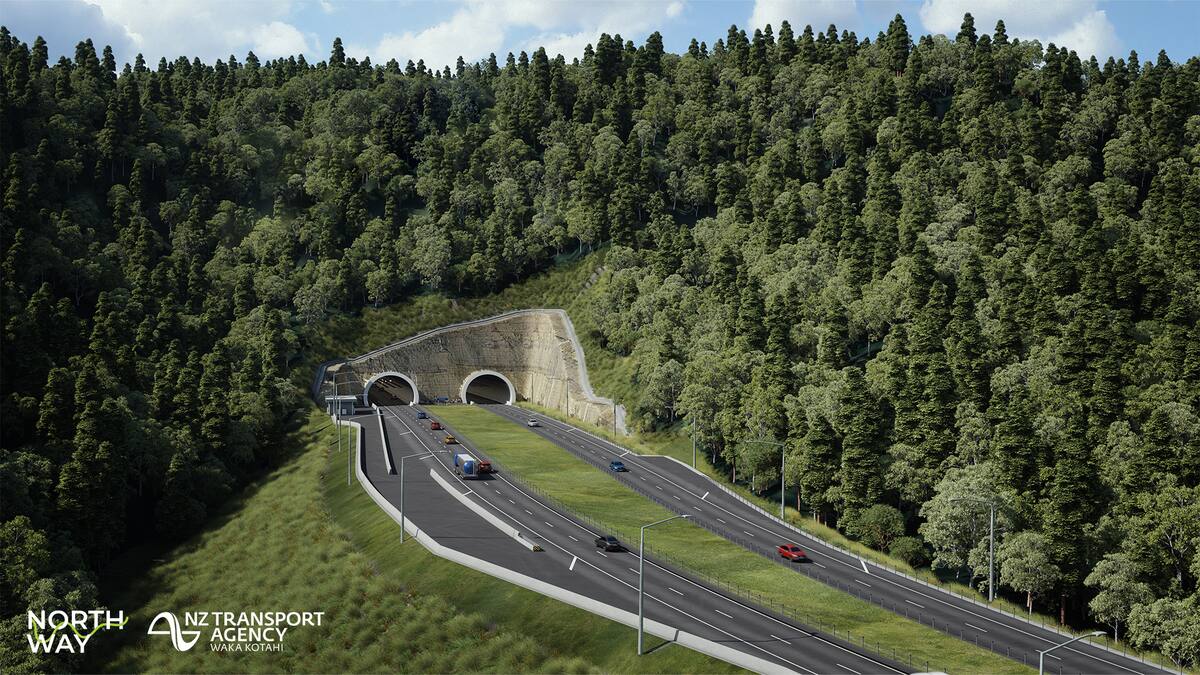
Transport Minister Chris Bishop has confirmed the Government has signed the public-private partnership agreement for Warkworth to Te Hana, moving the first section of the Northland Expressway from procurement into delivery.

NZ Ambulance Association national secretary Mark Quin says Palmerston North Hospital's overloaded emergency department left ambulance patients waiting one to two hours to be handed into hospital care.