Local government, briefly explained
Councils make a lot of the decisions that shape daily life. A short refresher on who does what.
NZ Current··5 min read
Councils make a lot of the decisions that shape daily life. A short refresher on who does what.

Civic building with a clock tower
Local government does much of the work that people associate with 'the government' in their daily lives: water, roads, rubbish, parks, libraries, building consents, district planning. It is funded mainly by rates and by central government contributions, and it is governed by elected councillors who set direction and oversee a chief executive.
Regional councils sit alongside district and city councils with their own responsibilities, particularly around the environment, public transport and resource management. The line between the two can be blurry from the outside, which is part of why coverage matters.
Long-term plans, annual plans and district plans are the documents where the most consequential decisions are made. They are also where public input has the most leverage, well before any project shows up at a ribbon-cutting.
Our coverage tries to demystify these processes, so readers can engage at the stage when their input is most useful.
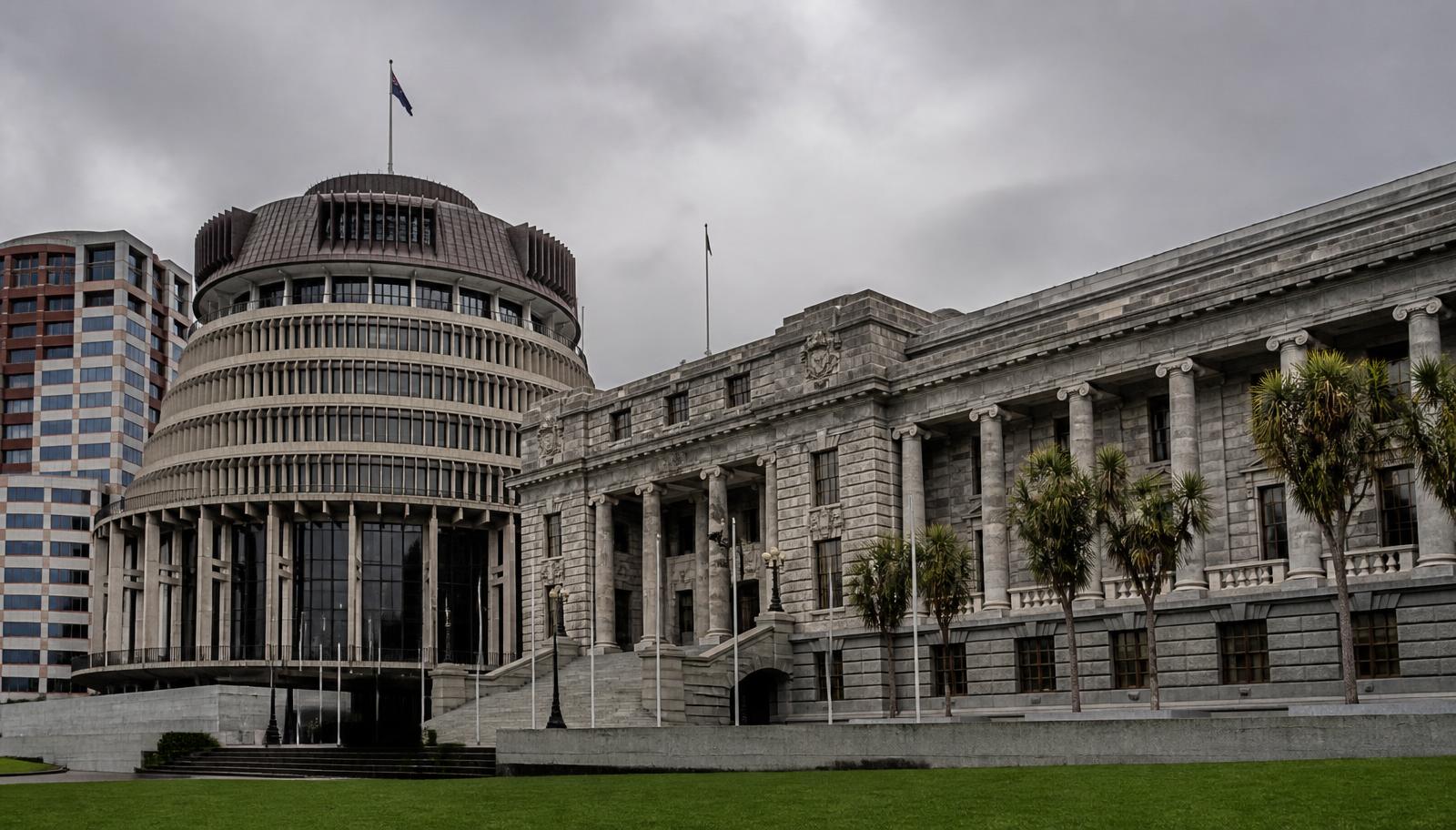
Lead Coordination Minister Erica Stanford has appointed Hon Paul Davison KC KSO as Independent Redress Officer, placing a former High Court judge in one of the most sensitive roles created by New Zealand's abuse in care redress system.

Education Minister Erica Stanford has completed the remaining appointments to the new Governing Council of the Teaching Council, naming Patrick Walsh MNZM as chair, Andree Atkinson as deputy chair and Kelly Seaburg as a new member.
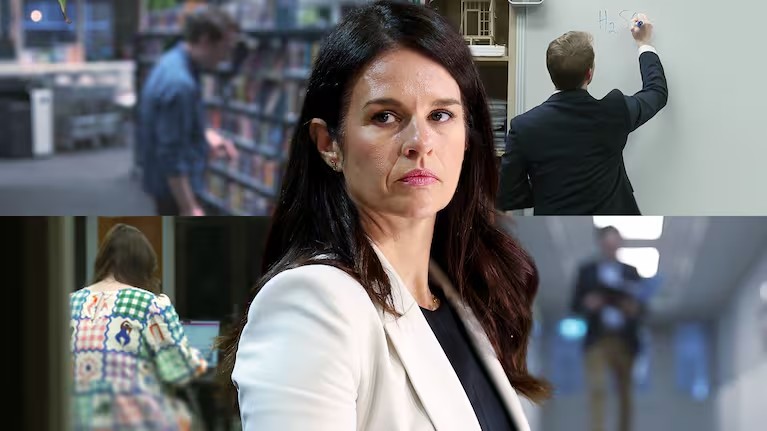
Education Minister Erica Stanford is facing a sharper public test of the Government's curriculum overhaul after high school teachers warned that the new system risks overloading students, narrowing learning and leaving schools short of time to prepare.