Nauru reboots passport sale scheme to fund climate fight
Nauru has restarted a citizenship-by-investment scheme, this time explicitly framed as climate finance for one of the world's most exposed nations.
Whena Owen··2 min read
Nauru has restarted a citizenship-by-investment scheme, this time explicitly framed as climate finance for one of the world's most exposed nations.
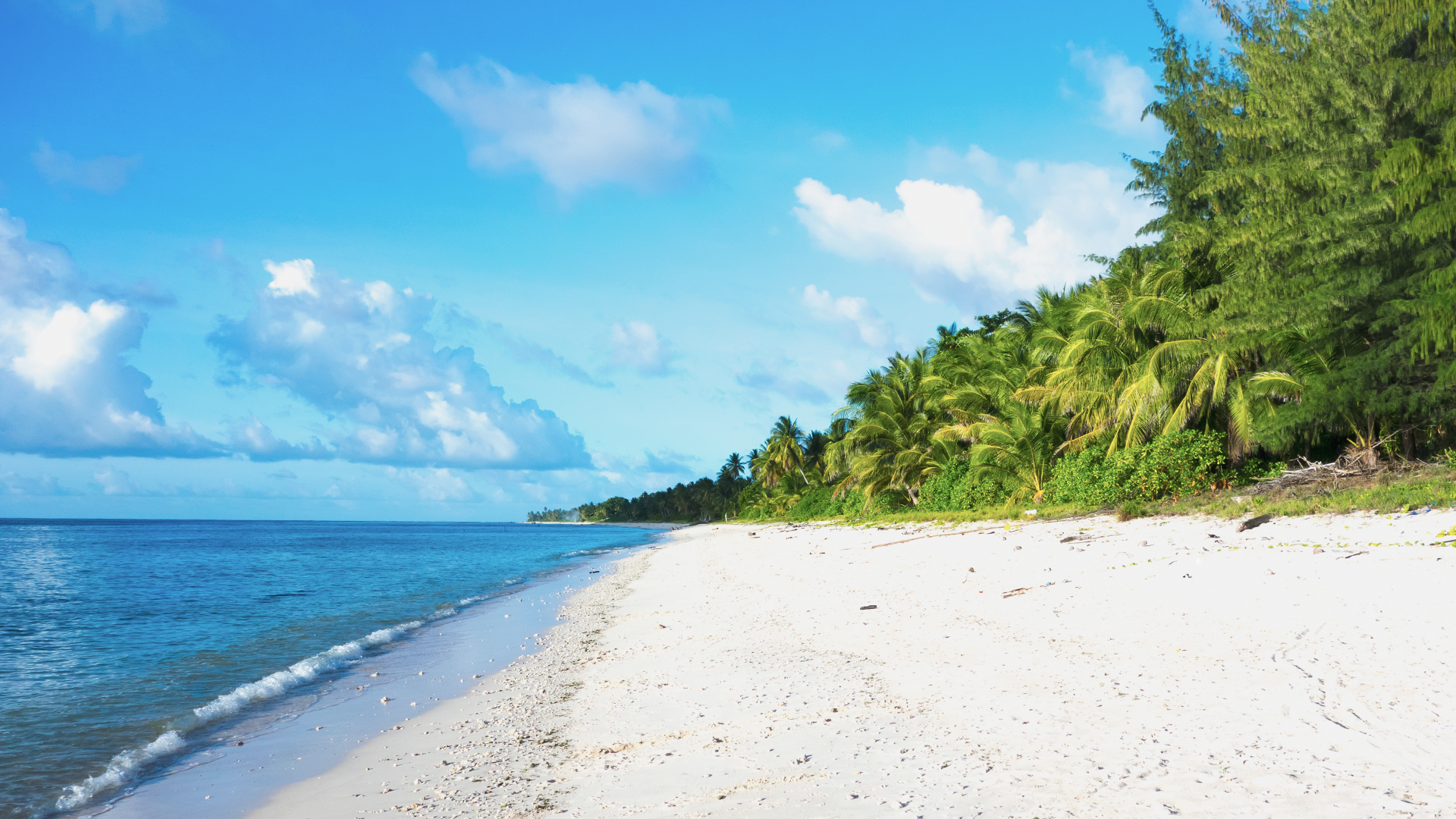
Nauru reboots passport sale scheme to fund climate fight
Nauru has restarted a citizenship-by-investment scheme, this time explicitly framed as climate finance for one of the world's most exposed nations.
The Nauru Economic and Climate Resilience Citizenship Program launched late last year and has attracted a small but steady flow of applicants. Costs start at around 178,000 New Zealand dollars per applicant, rising closer to 237,500 dollars once additional fees are counted.
The programme maintains offices in Nauru, Hong Kong and Dubai, but its headquarters is in Auckland, headed by New Zealander Edward Clark, who has a background in finance. He said the first family granted citizenship under the scheme were Germans motivated in part by wanting to contribute to climate resilience.
Passport sale schemes have a chequered history in the Pacific, and the test for Nauru will be whether the revenue is visibly spent on relocation and adaptation rather than absorbed into general spending.
The controversy surrounding Peter Stefanovic has reopened a debate over how partisan material moves into mainstream media coverage.

Viral claims about finger exercises and brain health have drawn scrutiny from researchers who study cognitive decline.

Claims about the water consumption of artificial intelligence have spread quickly — the underlying numbers are more complicated.