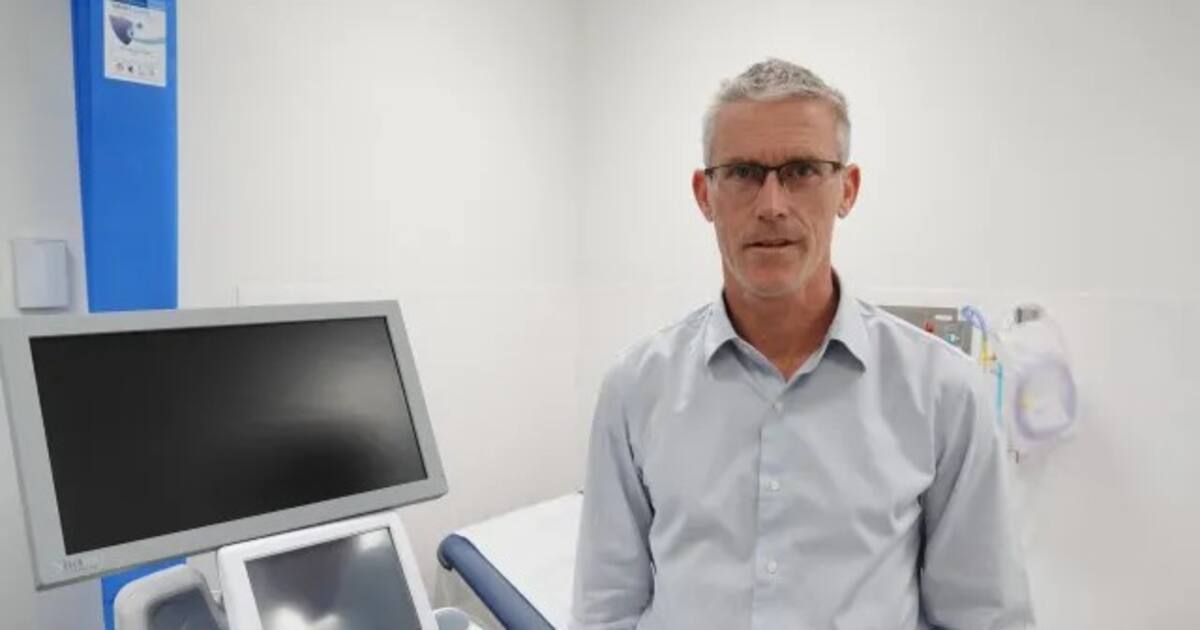
Palmerston North Hospital's loss of its last permanent gastroenterologist has pushed a regional health workforce problem into public view, with Health New Zealand preparing to front a community meeting as patients and staff seek answers. The hospital is funded for just under six full-time gastroenterology specialists but currently has none in permanent roles after the last departing specialist finished on 19 June. That gap is not a minor roster problem. Gastroenterology covers conditions affecting the digestive system, including bowel disease, liver disease, endoscopy and cancer-related investigations.
Health New Zealand Te Whatu Ora has said it wants to reassure the community that gastro services are continuing and recruitment is under way. Its public update says one new gastroenterologist has accepted a position and is expected to begin in September 2026, with additional candidates being progressed. That is important, but it still leaves a difficult interim period for a service already described as under pressure.
The departing specialist's reflections give the issue a human shape. He said he felt guilty about resigning because of the patients and staff left behind, but that he could not continue working in any capacity for a reasonable length of time. He also noted that New Zealand-trained specialists were hard to recruit to smaller areas, where the pull of bigger city hospitals can include more colleagues, more support and less punishing on-call work. Regional health services cannot be judged only by whether funding exists on paper.
For patients in Manawatu and surrounding districts, the concern is practical. They want to know whether appointments will be delayed, whether procedures will be transferred, whether urgent referrals will still move quickly and whether continuity of care can be maintained. Public reassurance helps only if it is specific about what services remain available, what is being outsourced, what waiting lists look like and when new staff are expected.
For clinicians, the risk is a feedback loop. When a department becomes short-staffed, the remaining workload can drive more people away. Recruiting one specialist into a fragile service is harder than recruiting into a stable team. The Palmerston North case is a warning for regional hospitals across New Zealand: communities need local services that are resilient enough to survive resignations, retirements and recruitment delays.