Reading the shape of regional economies
A region's economy is more than its biggest employer. A short guide to the signals worth following.
NZ Current··4 min read
A region's economy is more than its biggest employer. A short guide to the signals worth following.

Aerial view of a New Zealand coastal town
Talk about regional economies often collapses into a single industry — dairy here, tourism there, forestry somewhere else. The reality is layered. A town with one obvious export usually has a quieter base of trades, services, schools and clinics that keep money circulating week to week.
Watching a region over time means tracking a wider set of signals: building consents, vehicle registrations, school rolls, the mix of jobs being advertised. None of these tell the full story alone, but together they sketch where confidence is rising and where it's thinning out.
It also helps to notice what isn't measured. Volunteer hours at the local sports club, who runs the food rescue, whether the main street has empty windows — these shape daily life as much as any headline number.
Kiwi News Desk's regional coverage tries to hold both views: the dashboard and the footpath.

Education Minister Erica Stanford says a nationwide programme upgrading small and remote schools has completed its 800th school upgrade, putting school property back into the regional infrastructure conversation.

Associate Health Minister Matt Doocey says rural communities will benefit from three new investments aimed at training more frontline clinicians, improving urgent-care decisions and strengthening recruitment for rural health providers.
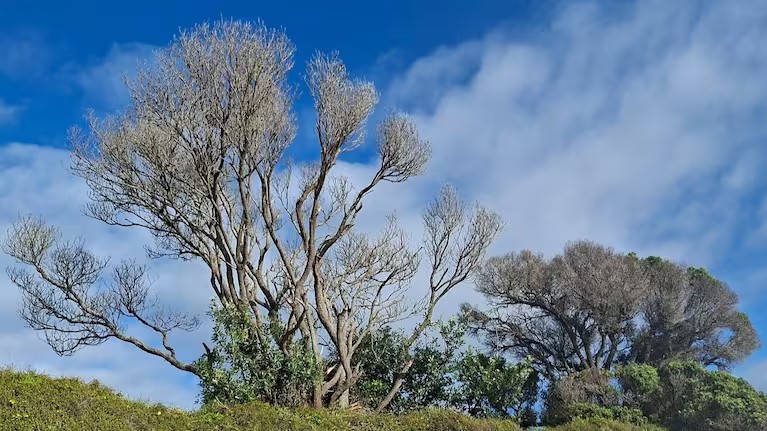
The Department of Conservation is investigating after two pohutukawa trees beside Hahei Beach on the Coromandel were found with signs of illegal poisoning, in a case that turns a local beach incident into a wider reminder about coastal protection.