The rise of Charlie Kirk, and the rise of political violence in America
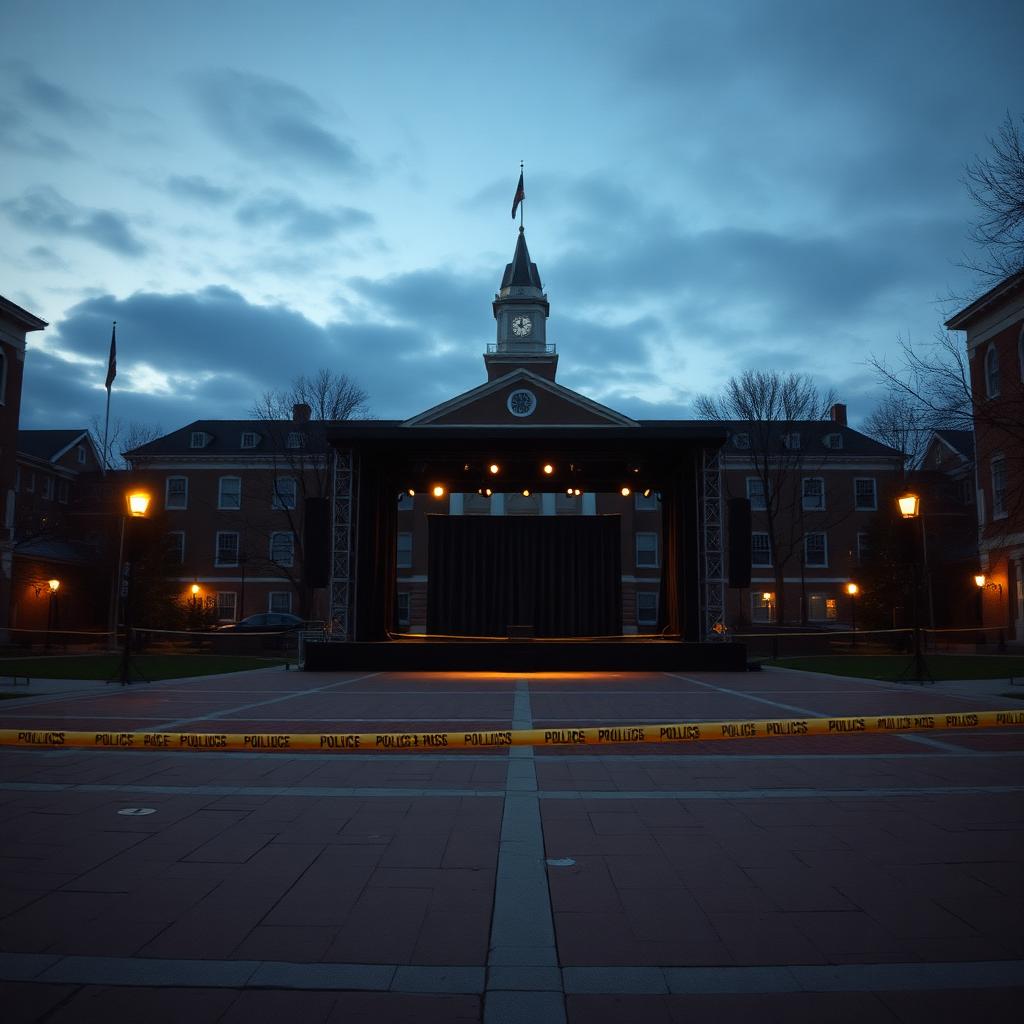
The killing of conservative activist Charlie Kirk has forced another reckoning with political violence in the United States.
Logan Church··2 min read
The killing of conservative activist Charlie Kirk has forced another reckoning with political violence in the United States.
The rise of Charlie Kirk, and the rise of political violence in America
The killing of conservative activist Charlie Kirk has forced another reckoning with political violence in the United States.
Kirk built Turning Point USA into one of the most effective youth organising operations on the American right, using campus confrontations and short-form video to reach an audience traditional conservative institutions had lost.
His death sits within a widening pattern that now spans both sides of American politics: attacks on lawmakers, on candidates, and on activists, in a climate where opponents are routinely described as existential threats rather than rivals.
Researchers who track the trend point less to any single ideology than to the collapse of shared arbiters of fact, and to the speed at which online grievance converts into real-world action.

The controversy surrounding Peter Stefanovic has reopened a debate over how partisan material moves into mainstream media coverage.

Viral claims about finger exercises and brain health have drawn scrutiny from researchers who study cognitive decline.

Claims about the water consumption of artificial intelligence have spread quickly — the underlying numbers are more complicated.