Think you have insomnia? Five reasons why you might not
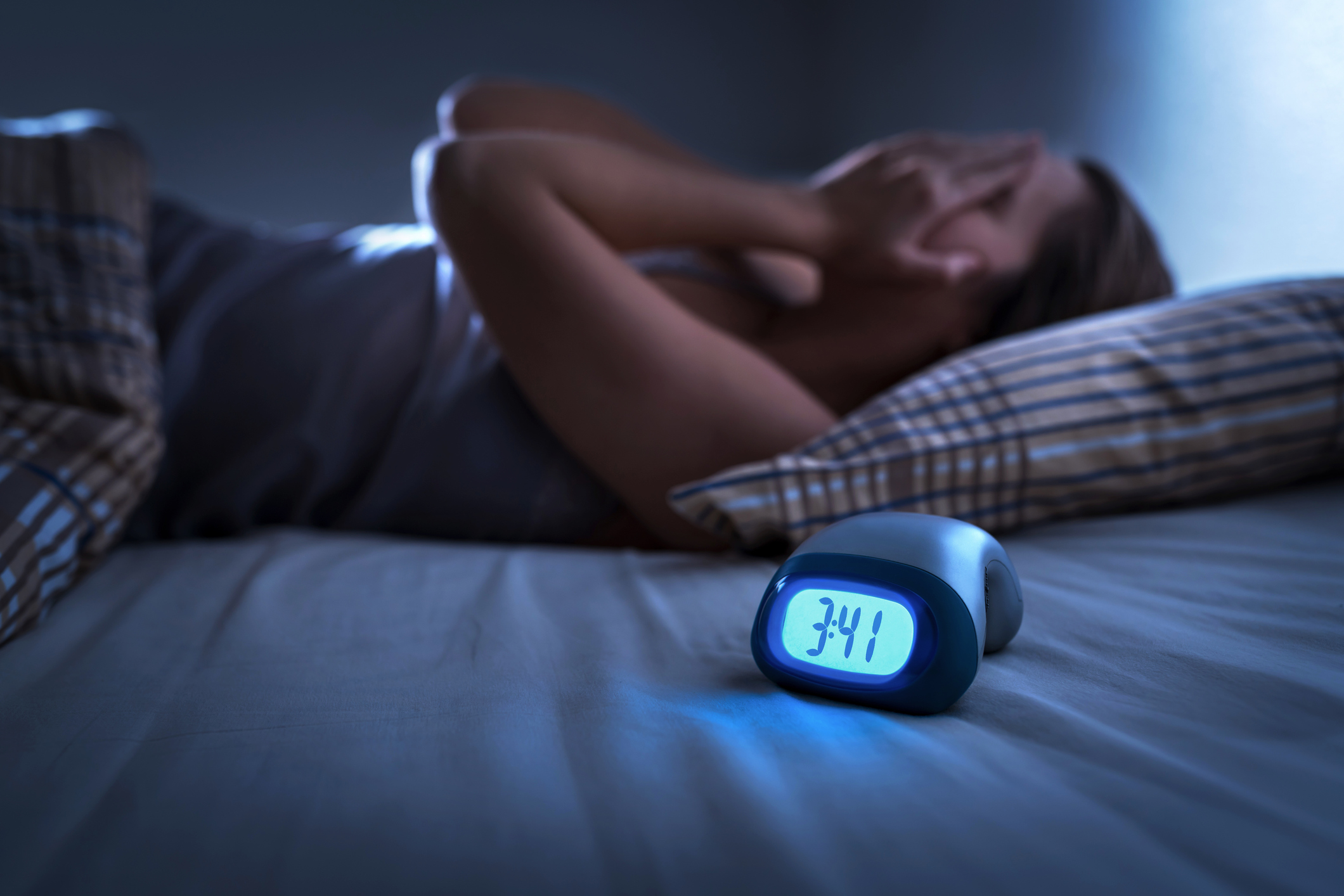
Plenty of people describe themselves as insomniacs after a stretch of bad nights, but sleep specialists say most do not meet the clinical definition.
NZ Current··2 min read
Plenty of people describe themselves as insomniacs after a stretch of bad nights, but sleep specialists say most do not meet the clinical definition.
Think you have insomnia? Five reasons why you might not
Plenty of people describe themselves as insomniacs after a stretch of bad nights, but sleep specialists say most do not meet the clinical definition.
Insomnia disorder requires difficulty falling or staying asleep at least three nights a week for three months or more, with daytime consequences. Short-term disruption caused by stress, illness or a noisy neighbour is something else.
Common misattributions include normal age-related changes in sleep, waking briefly during the night, which is entirely typical, and the effects of alcohol, shift work or an inconsistent bedtime.
The distinction matters because treatments differ. Genuine insomnia responds well to cognitive behavioural therapy, whereas short-term disruption usually resolves when the cause does, and treating it aggressively can make sleep anxiety worse.

Research linking resistance training to lower mortality has strengthened, and the reasons go beyond muscle size.

Practical strategies for making discretionary purchases work inside a tight household budget, without relying on credit.
New research suggests sleep and diet may do more for chronic stress than exercise, challenging the standard advice to simply move more.