What a household of one couple and two sets of siblings spends on groceries
A household of one couple and two sets of siblings sharing a home offers an unusually clear view of what feeding a group actually costs in 2025.
Polly Wenlock··2 min read
A household of one couple and two sets of siblings sharing a home offers an unusually clear view of what feeding a group actually costs in 2025.
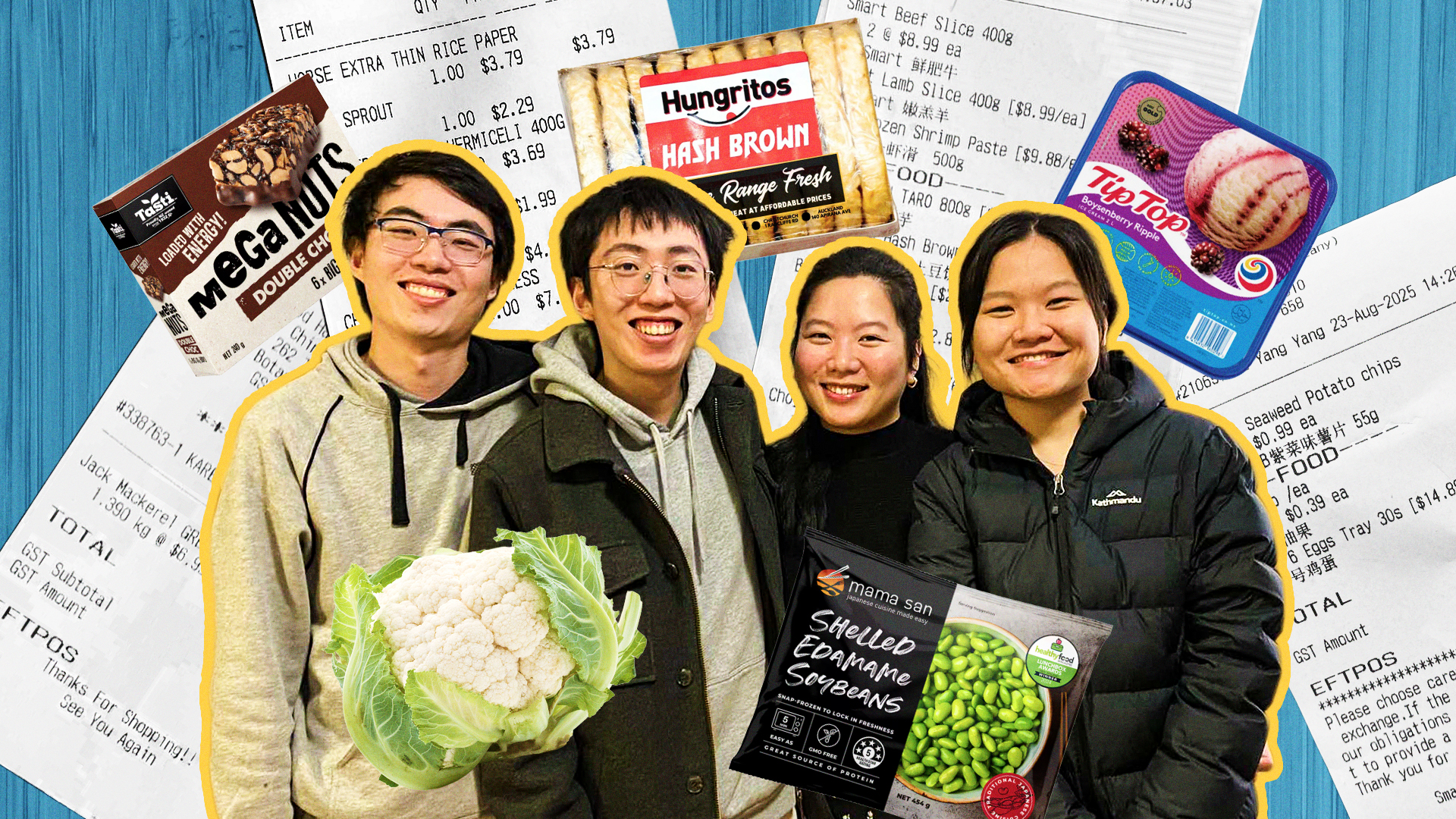
What a household of one couple and two sets of siblings spends on groceries
A household of one couple and two sets of siblings sharing a home offers an unusually clear view of what feeding a group actually costs in 2025.
The residents track a weekly shop that covers six adults, combining bulk staples with a smaller top-up run midweek. Meat, dairy and fresh produce dominate the bill, while shared cooking keeps the per-person figure well below what any of them would spend living separately.
The savings come mostly from scale and planning: buying rice, flour and legumes in large quantities, cooking in batches, and rotating who plans meals so that the mental load does not fall on one person.
It is not a formula everyone can copy, but it illustrates a point economists make repeatedly: single-person households pay a substantial premium for food, and shared living remains one of the few reliable ways to cut it.

Research linking resistance training to lower mortality has strengthened, and the reasons go beyond muscle size.

Practical strategies for making discretionary purchases work inside a tight household budget, without relying on credit.

New research suggests sleep and diet may do more for chronic stress than exercise, challenging the standard advice to simply move more.